
Venous Wound Care
Venous wound care focuses on treating and managing ulcers or wounds resulting from chronic venous insufficiency. These wounds typically form around the ankles or lower legs when veins cannot effectively return blood to the heart, leading to increased pressure and skin breakdown. At National Vascular Associates, our specialists provide comprehensive care plans to improve circulation, promote healing, and reduce the risk of infection.
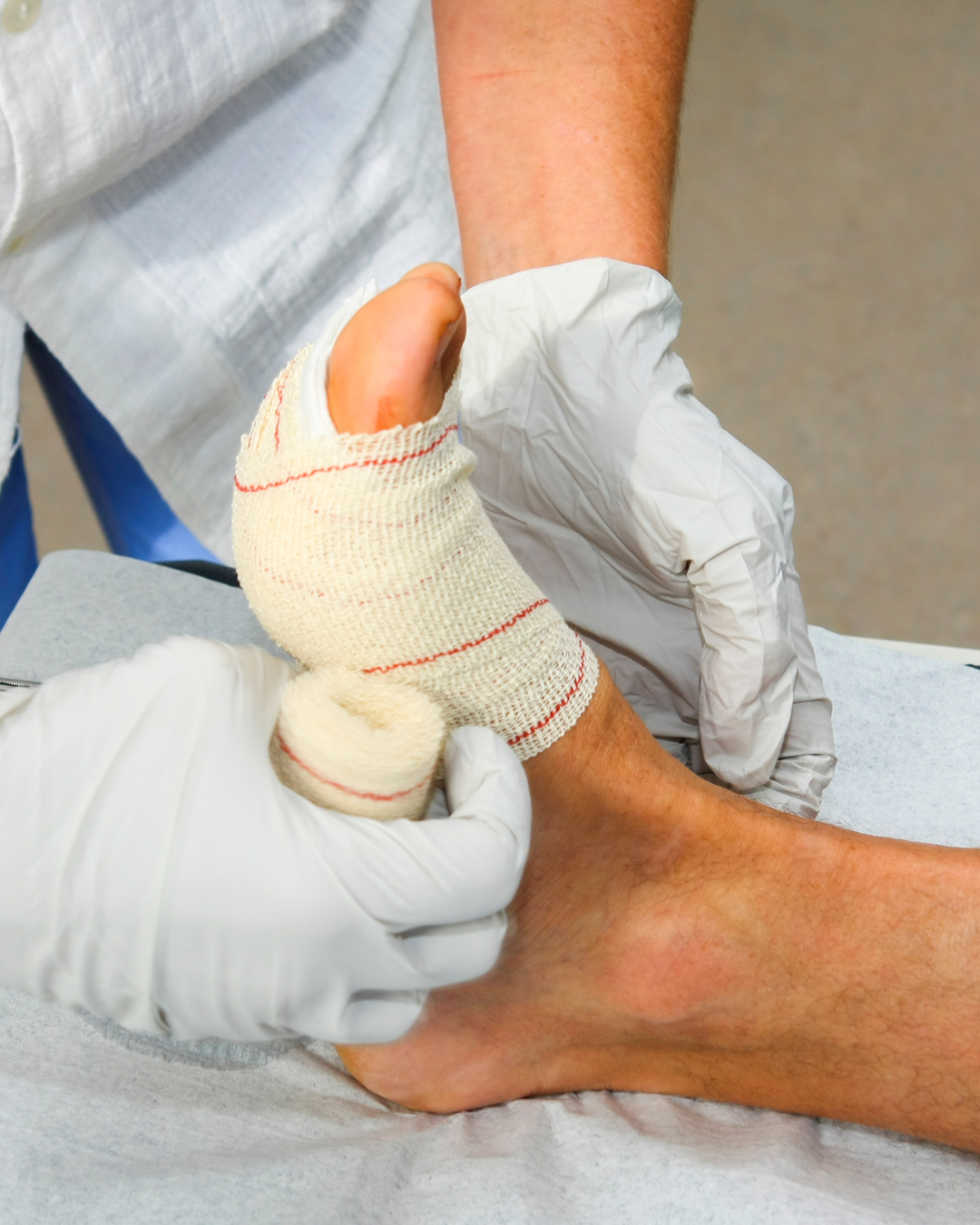
What Are Venous Wounds?
Venous wounds, often referred to as venous stasis ulcers, occur due to damaged vein valves or blockages that cause blood to pool in the lower extremities. Over time, this pooling leads to swelling, skin discoloration, and eventually open wounds.
Common Causes of Venous Wounds
Chronic Venous Insufficiency (CVI)
resulting from varicose veins or venous reflux
Physical Trauma
in areas with poor circulation
Prolonged Standing
or sitting, increasing pressure in leg veins
Obesity
which can exacerbate venous pressure
Experiencing These Symptoms?
Open sores on the ankles or lower legs
Swelling in the calf or foot
Brownish discoloration of the skin surrounding the wound
Itching, irritation, or pain around the affected area
Slow or non-healing ulcers
If left untreated, these wounds can worsen over time and potentially lead to infections.

Diagnostic Process
A proper diagnosis is vital to determine the best course of treatment. At National Vascular Associates, we combine physical examinations with advanced diagnostic tools:
1
Doppler Ultrasound
to measure blood flow and identify vein damage
2
Ankle-Brachial Index (ABI)
to rule out arterial involvement
3
Venography
in complex cases to visualize deep vein issues
Treatment Options for Venous Wounds
Our care plans address both the wound itself and the underlying venous condition:
Wound Care Management
- Debridement to remove dead or infected tissue
- Specialized Dressings to maintain a moisture balance and protect the wound
- Infection Control through topical or oral antibiotics if necessary
Compression Therapy
- Compression stockings or bandages to reduce swelling and improve venous return
Minimally Invasive Vein Treatments
- Endovenous Ablation, Sclerotherapy, or Stenting to correct venous insufficiency
Lifestyle Modifications
- Elevating the legs
- Engaging in regular, low-impact exercise
- Weight management and smoking cessation
Ready for your consultation?
Early diagnosis and treatment are vital. Don’t wait for treatment – book your appointment today.

Why Choose National Vascular Associates?
Our team of vascular specialists is dedicated to delivering patient-centered care using the latest techniques in venous wound management. We tailor each treatment plan to your specific needs, ensuring optimal healing and helping you avoid complications that can arise from untreated venous wounds.
Our Services
Explore Our Treatments
We specialize in advanced, minimally invasive solutions to effectively treat a wide range of vein conditions, including varicose veins, spider veins, and venous insufficiency.

Peripheral Artery Disease

Pelvic Congestion Syndrome

May-Thurner Syndrome

Uterine Fibroid Embolization

Genicular Artery Embolization

Vein Ablation

Venous Stasis Ulcers

Varicose Veins

Spider Veins
Take the First Step Toward Healing
If you’re experiencing venous wounds or suspect chronic venous insufficiency, don’t wait. Contact National Vascular Associates today to schedule a consultation and start your journey to healthier legs and improved wound healing.