
Diagnostic Venous Ultrasound
Diagnostic venous ultrasound is a non-invasive imaging technique used to evaluate blood flow, detect potential clots, and identify vein reflux in the legs and pelvis. At National Vascular Associates, we utilize advanced ultrasound technology to diagnose various venous conditions, ensuring our patients receive the most accurate and timely care.
What Is Diagnostic Venous Ultrasound?
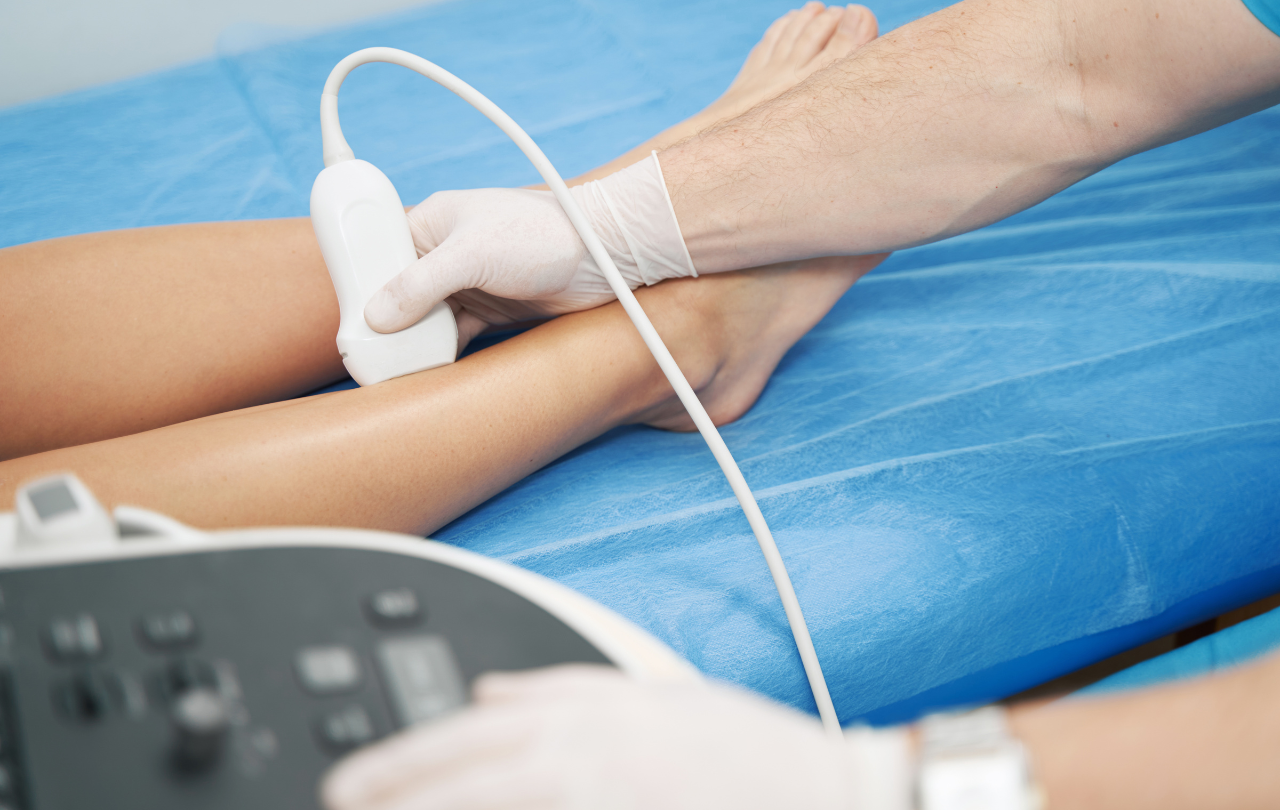
Diagnostic venous ultrasound uses high-frequency sound waves to create real-time images of veins in the lower body. This safe, painless procedure helps our specialists pinpoint issues such as deep vein thrombosis (DVT), valvular incompetence (reflux), and venous obstructions.
Types of Diagnostic Venous Ultrasound
Lower Extremity DVT Ultrasound
- Purpose: Detects blood clots (thrombi) in the deep veins of the legs, which can lead to pain, swelling, and potentially life-threatening complications if the clot travels to the lungs.
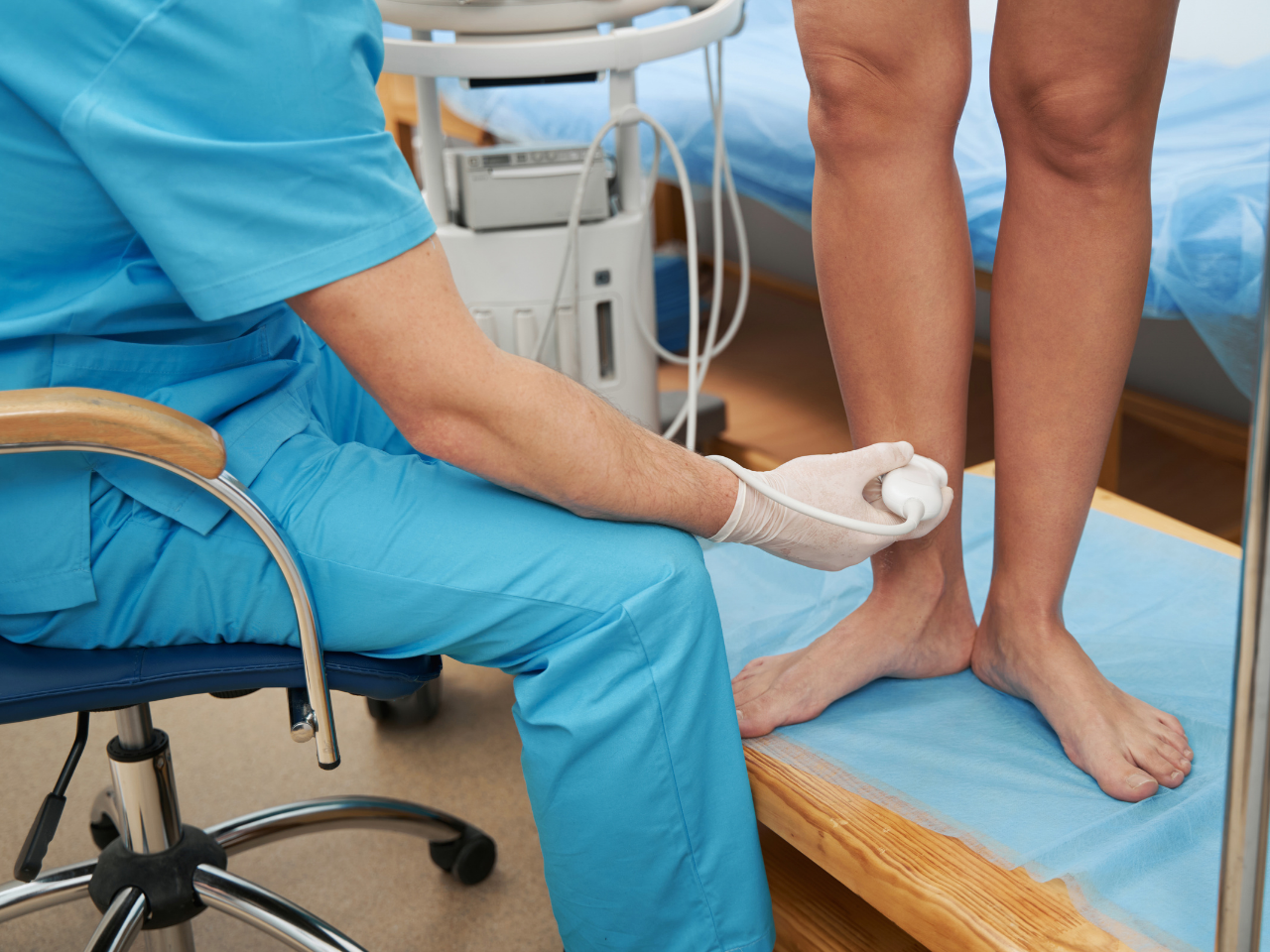
- How It Works: A handheld probe (transducer) is placed on the skin, emitting sound waves that bounce off the veins to create images. The technician gently compresses each section of the vein to check for normal collapse (no clot) or resistance (possible clot).
Superficial Venous Reflux Ultrasound
- Purpose: Evaluates the function of valves in superficial veins, such as the great saphenous vein, to determine if backward blood flow (reflux) is contributing to varicose veins or chronic venous insufficiency.
- How It Works: The ultrasound measures blood flow direction and valve closure. When reflux is present, blood pools in the vein instead of returning to the heart efficiently.
Deep Iliac Venous Ultrasound
- Purpose: Focuses on the iliac veins in the pelvis to identify blockages, compression, or other abnormalities (e.g., May-Thurner Syndrome) that may cause leg swelling, pain, or venous insufficiency.
- How It Works: A transducer is used over the lower abdomen and pelvic area, allowing detailed visualization of blood flow within the deep iliac veins.
Why Is a Diagnostic Venous Ultrasound Needed?
Effective treatment addresses both wound management and the underlying venous insufficiency
Early Detection
Identifies potentially dangerous clots and chronic issues that can worsen over time.
Guided Treatment Planning
Helps determine the most appropriate intervention, from anticoagulation therapy to minimally invasive procedures.
Monitoring Progress
Assesses the effectiveness of ongoing treatments or post-procedure healing.
What to Expect During a Venous Ultrasound
1
Preparation
Wear comfortable clothing, and be ready to expose the area being examined (lower legs, pelvic region).
2
Procedure
You’ll lie down while a trained ultrasound technician applies gel to your skin and moves the transducer over the veins.
3
Duration
Most exams take between 30 and 60 minutes.
4
Comfort
The process is painless, though slight pressure might be applied to check vein compressibility.
Ready for your consultation?
Early diagnosis and treatment are vital. Don’t wait for treatment – book your appointment today.

Why Choose National Vascular Associates?
Expertise
Our vascular specialists have extensive experience in interpreting venous ultrasound results.
Advanced Equipment
We use state-of-the-art technology to capture detailed images and ensure accurate diagnoses.
Comprehensive Care
From diagnosis to treatment, our team provides personalized recommendations and follow-up support.
Our Services
Explore Our Treatments
We specialize in advanced, minimally invasive solutions to effectively treat a wide range of vein conditions, including varicose veins, spider veins, and venous insufficiency.

Peripheral Artery Disease

Pelvic Congestion Syndrome

May-Thurner Syndrome

Uterine Fibroid Embolization

Genicular Artery Embolization

Vein Ablation

Venous Stasis Ulcers

Varicose Veins

Spider Veins
Take the First Step Toward Better Venous Health
If you suspect a venous condition or need a thorough assessment of your leg and pelvic veins, contact National Vascular Associates to schedule a diagnostic venous ultrasound. Our specialized team is here to guide you toward effective solutions for improved circulation and quality of life.