
Deep Venous Stenting
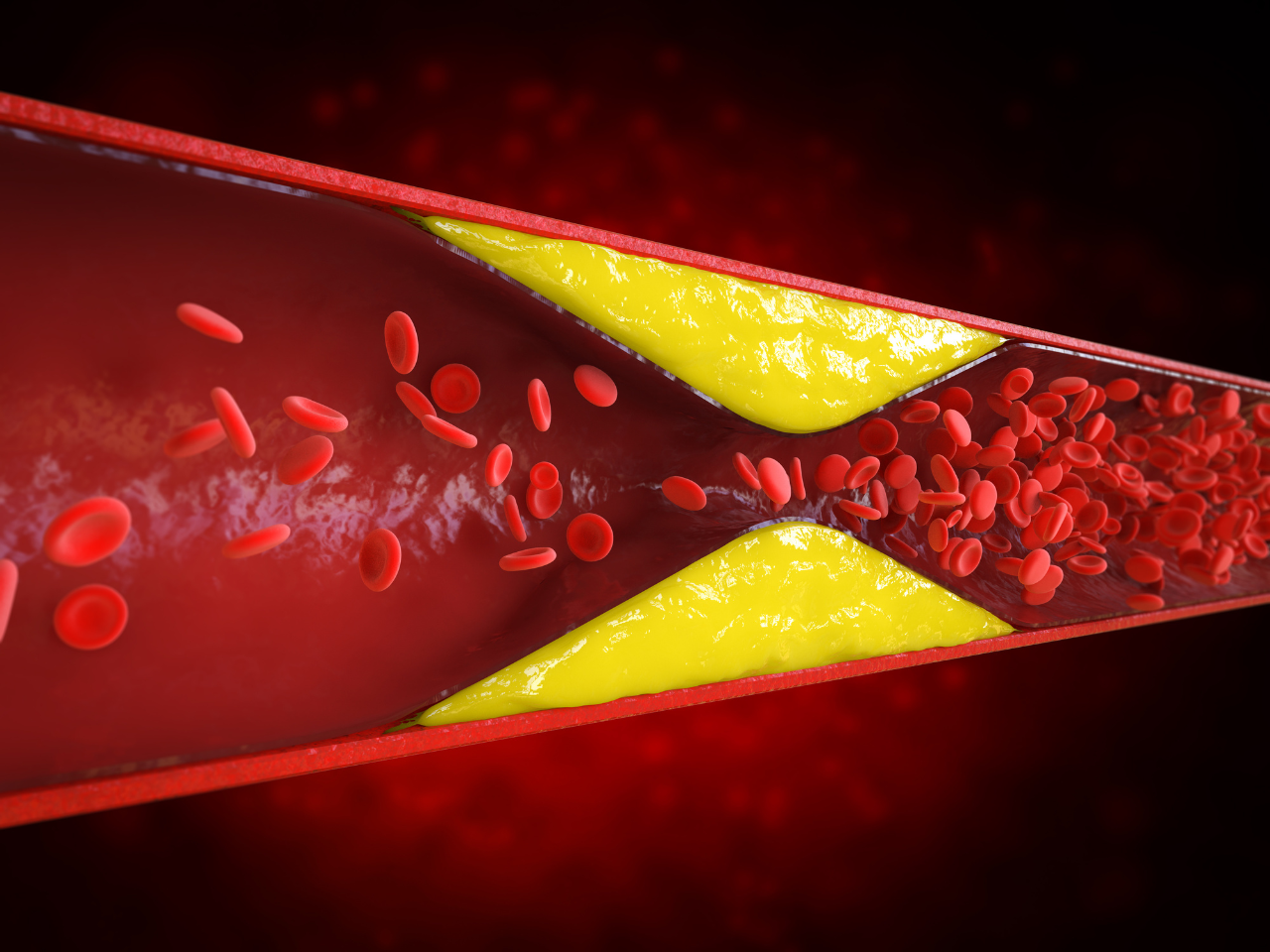
Deep venous stenting is a minimally invasive procedure that helps restore proper blood flow in the deep veins of the pelvis and legs. Conditions such as chronic venous obstruction, May-Thurner Syndrome, or post-thrombotic damage can lead to narrowed or blocked deep veins, causing pain, swelling, and an increased risk of blood clots. At National Vascular Associates, our specialists use advanced imaging and stenting techniques to alleviate these symptoms and improve long-term venous health.

What Is Deep Venous Stenting?
Deep venous stenting involves placing a small, mesh-like tube (stent) inside a narrowed or blocked vein. The stent keeps the vein open, allowing blood to flow more freely. This approach is especially effective when conservative treatments, such as compression therapy or medication, are not sufficient to relieve symptoms.
Common Conditions
Chronic Venous Obstruction (CVO)
Scar tissue or unresolved clotting can restrict blood flow.
May-Thurner Syndrome (MTS)
Compression of the left iliac vein by the right iliac artery.
Post-Thrombotic Syndrome (PTS)
Long-term damage following a deep vein thrombosis (DVT).
Noticing These Symptoms?
Leg Swelling
Usually persistent, affecting the ankle and calf.
Chronic Pain or Heaviness
Worsening with prolonged standing.
Skin Changes
Discoloration, thickening, or development of varicose veins.
Ulceration
In severe, long-standing cases.
If left untreated, these symptoms can negatively impact mobility and quality of life.
How Does Stenting Work?
1
Preparation
- A local anesthetic or light sedation may be used.
- Real-time imaging (venography) helps map the narrowed segment.
2
Catheter Insertion
- A small incision, usually in the groin, is made.
- A catheter is guided to the affected vein under X-ray or ultrasound guidance.
3
Stent Placement
- The narrowed portion of the vein is expanded with a balloon, if necessary.
- A stent is deployed to hold the vein open.
4
Closure & Recovery
- The catheter is removed, and a small bandage is applied.
- Most patients can return home the same day.
Benefits of Stenting
Improved Circulation
Reduces swelling and enhances blood flow.
Reduced Pain
Alleviates discomfort and heaviness in the legs.
Minimally Invasive
Requires only a small incision with minimal scarring.
Faster Recovery
Many patients resume normal activities within a few days.
Aftercare & Recovery
Compression Stockings
Often recommended to support vein function and healing.
Light Exercise
Walking or gentle movement encourages healthy blood flow.
Follow-Up
Regular check-ins help ensure the stent remains open and symptoms improve.

Ready for your consultation?
Early diagnosis and treatment are vital. Don’t wait for treatment – book your appointment today.

Why Trust National Vascular Associates?
Our vascular specialists combine advanced imaging techniques with years of experience to provide safe, effective deep venous stenting. We tailor each treatment plan to the individual, ensuring the best possible outcomes and a quick return to daily activities.
Our Services
Explore Our Treatments
We specialize in advanced, minimally invasive solutions to effectively treat a wide range of vein conditions, including varicose veins, spider veins, and venous insufficiency.

Peripheral Artery Disease

Pelvic Congestion Syndrome

May-Thurner Syndrome

Uterine Fibroid Embolization

Genicular Artery Embolization

Vein Ablation

Venous Stasis Ulcers

Varicose Veins

Spider Veins
Take the Next Step Toward Better Venous Health
If you’re experiencing leg pain, swelling, or other symptoms of venous obstruction, deep venous stenting could provide the relief you need. Contact National Vascular Associates today to schedule a consultation and learn more about your treatment options.