Chronic Venous Obstruction and Chronic Deep Vein Thrombosis
Chronic venous obstruction (CVO) and chronic deep vein thrombosis (CDVT) are conditions that involve reduced blood flow in the deep veins. These issues can lead to swelling, pain, and long-term complications if not properly managed. At National Vascular Associates, we specialize in comprehensive treatments to address these conditions and restore optimal venous circulation.

What Are CVO and CDVT?
Chronic Venous Obstruction (CVO):
Occurs when the veins become narrowed or blocked due to scar tissue or unresolved clots, impairing blood flow over an extended period.
Chronic Deep Vein Thrombosis (CDVT)
Involves persistent or recurrent blood clots in the deep veins, often resulting from previous acute DVT episodes that never fully resolved.
Both conditions can lead to venous insufficiency, increasing pressure in the legs and potentially causing significant discomfort.
Are you at risk?
Common factors contributing to CVO and CDVT include:
Untreated or inadequately treated acute DVT
Prolonged immobilization (e.g., extended bed rest, long flights)
Inherited clotting disorders (e.g., Factor V Leiden)
Cancer or other chronic illnesses
Obesity or a sedentary lifestyle
Venous valve damage from injury or surgery
Common Symptoms of CVO and CDVT
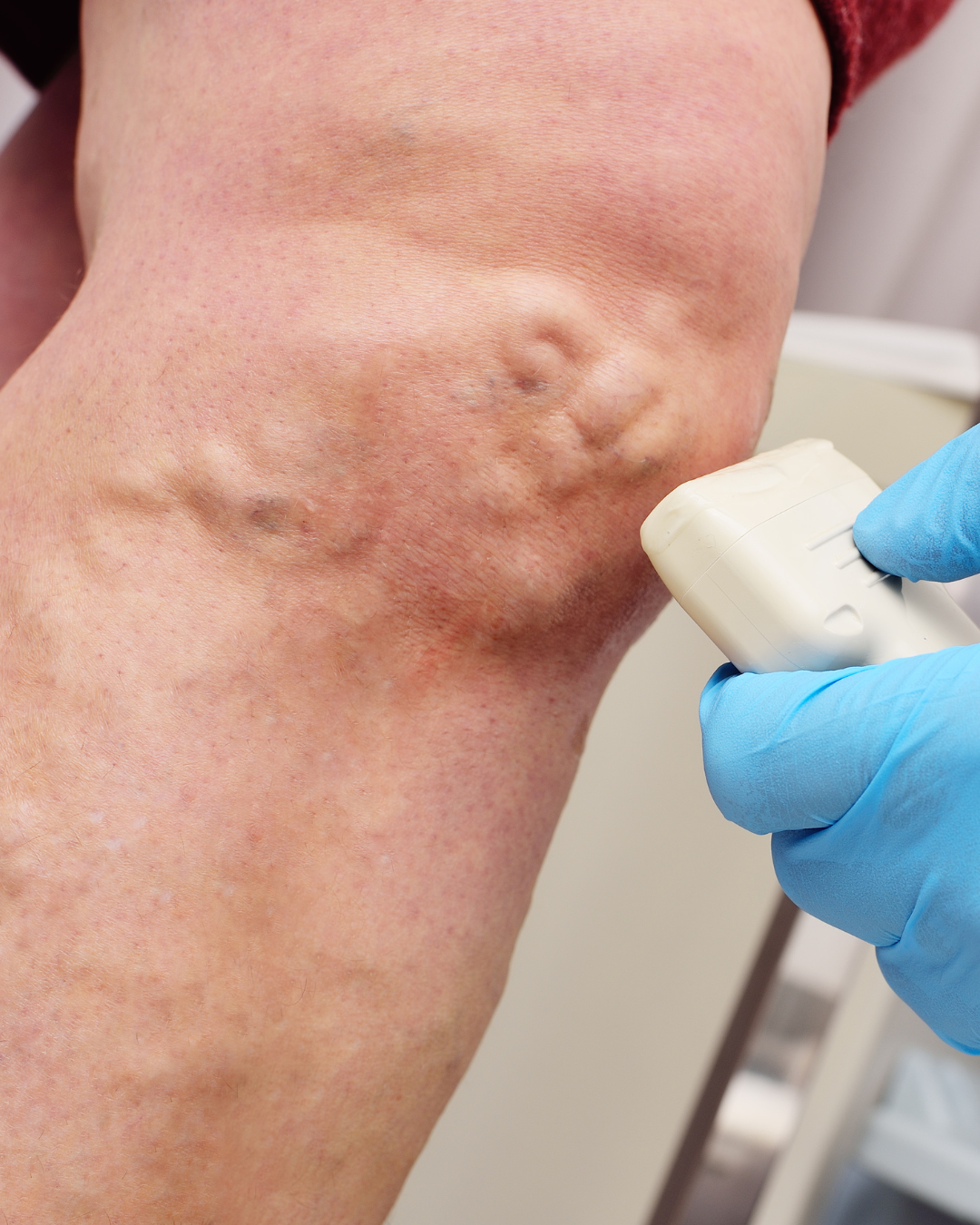
Symptoms often develop gradually and may vary in severity:
Swelling in the affected leg, ankle, or foot
Pain or heaviness that worsens with prolonged standing
Skin discoloration or thickening around the ankle
Prominent varicose veins
Leg ulcers or sores that are slow to heal
What to Expect During Diagnosis
At National Vascular Associates, our specialists employ advanced imaging and tests to diagnose CVO and CDVT accurately:
1
Venous Ultrasound
Evaluates blood flow, vein structure, and potential clots.
2
Venography or MRV
Provides detailed images of the veins to pinpoint blockages or narrowing.
3
Additional Labs
May assess clotting factors or other underlying conditions.
Treatment Options
Effective management targets both the blockage and its impact on vein function:
Compression Therapy
Wearing compression stockings to support circulation and reduce swelling.
Medications
Anticoagulants or blood thinners to prevent new clots and reduce clot progression.
Catheter-Directed Thrombolysis
Breaking down persistent clots using targeted medication delivered via catheter.
Venous Stenting
Placing a stent in narrowed or obstructed veins to improve blood flow.
Bypass Surgery
In rare cases, creating an alternate route for blood flow if stenting is not feasible.
Ready for your consultation?
Early diagnosis and treatment are vital. Don’t wait for treatment – book your appointment today.

Why Choose National Vascular Associates?
Our team of vascular experts offers advanced, patient-centered care for chronic venous conditions. We tailor each treatment plan to your individual needs, ensuring the best possible outcomes. From diagnosis to recovery, we provide compassionate support every step of the way.
Our Services
Explore Our Treatments
We specialize in advanced, minimally invasive solutions to effectively treat a wide range of vein conditions, including varicose veins, spider veins, and venous insufficiency.

Peripheral Artery Disease

Pelvic Congestion Syndrome

May-Thurner Syndrome

Uterine Fibroid Embolization

Genicular Artery Embolization

Vein Ablation

Venous Stasis Ulcers

Varicose Veins

Spider Veins
Take Control of Your Venous Health
If you suspect you may have chronic venous obstruction or chronic DVT, don’t wait. Contact National Vascular Associates to schedule a consultation and learn more about your treatment options. Our goal is to help you regain comfort, mobility, and peace of mind.