
Pelvic Congestion Syndrome
Struggling with Pelvic Congestion Syndrome? Pelvic vein embolization offers a minimally invasive solution to reduce pain, heaviness, and discomfort caused by this often-overlooked condition.
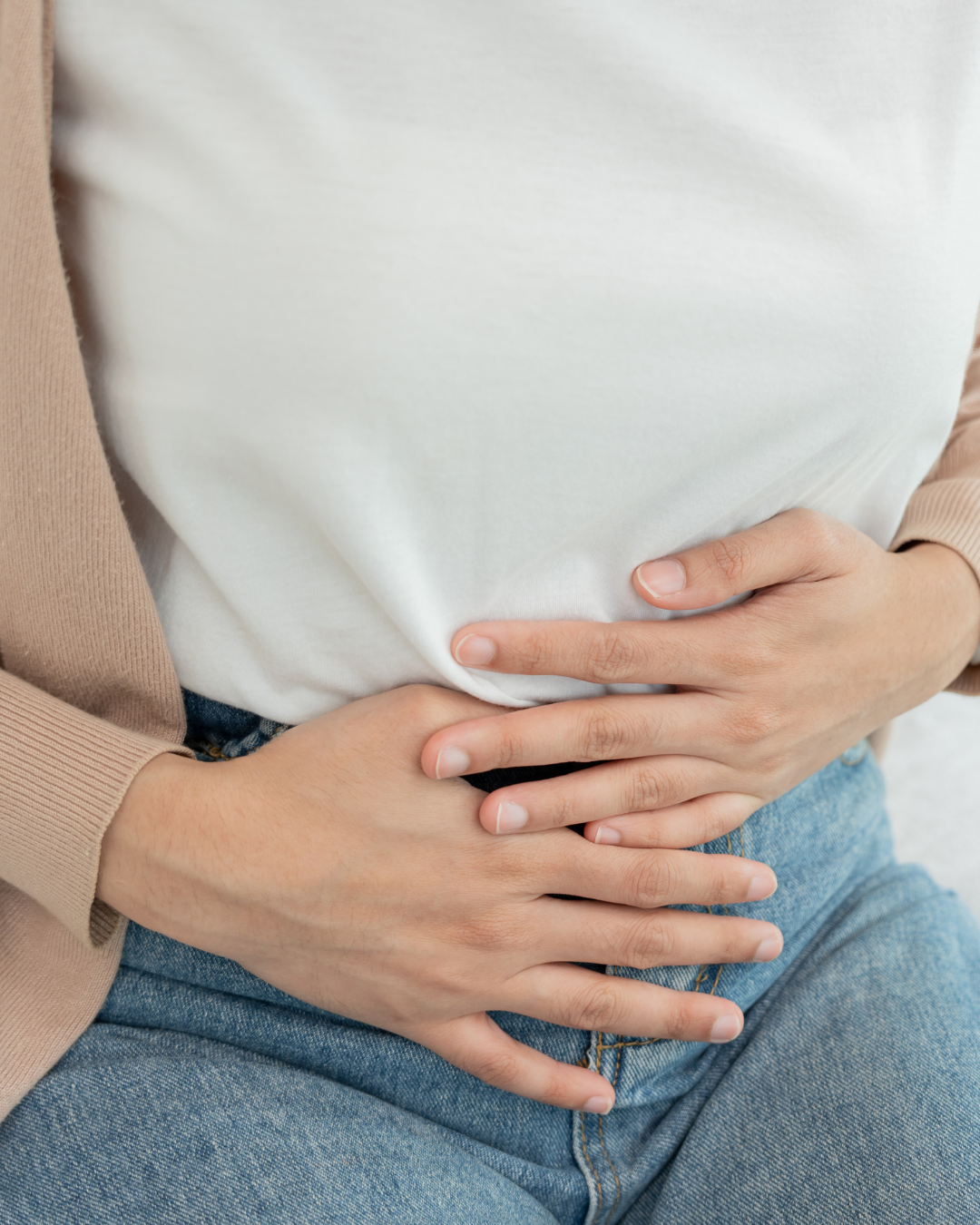
Pelvic Congestion Syndrome & Symptoms
Pelvic Congestion Syndrome (PCS) is a chronic condition caused by swollen or malfunctioning veins in the pelvis, similar to varicose veins. These veins fail to properly circulate blood, leading to pooling, increased pressure, and painful symptoms. Embolization can provide lasting relief without major surgery or medication.
Dull, aching pain in the lower abdomen or pelvis
Heaviness or fullness in the pelvis
Painful menstruation
Pain radiating to the lower back or thighs
Visible varicose veins around the vulva, thighs, or buttocks in some cases.
Treatment Options
Treatment selection depends on the severity of symptoms and vein abnormalities. Consult a healthcare professional for a personalized plan.
Lifestyle Modifications
- Regular exercise to improve circulation.
- Compression garments to alleviate pressure.
- Avoiding prolonged standing or sitting.
Drug Therapy
Medications to manage pain and reduce inflammation.
Minimally Invasive Treatments
Pelvic Vein Embolization (Preferred treatment for PCS)

Pelvic Vein Embolization Process
Pelvic vein embolization is a safe and highly effective procedure performed under local anesthesia or moderate sedation. It works by closing off malfunctioning veins, redirecting blood flow, and reducing pressure on pelvic veins.
What to Expect
1
Catheter Insertion
A small catheter is inserted through a tiny incision, usually in the groin or neck.
2
Imaging & Mapping
Live X-ray imaging (fluoroscopy) is used to guide the catheter to the affected veins, with contrast dye providing a detailed map of the venous system.
3
Embolization
Tiny metal coils or a medical-grade adhesive is introduced through the catheter to seal off the malfunctioning veins. This process stops blood pooling, reduces vein enlargement, and alleviates symptoms.
4
Catheter Removal
Once the embolization is complete, the catheter is removed, and the incision is bandaged—no stitches required.

Treatment Benefits
Minimally invasive with no large incisions.
Quick recovery most patients return to normal activities within a few days.
Effective symptom relief for chronic pain, heaviness, and discomfort.
Performed as an outpatient procedure, often with same-day discharge.
Targeted treatment that preserves surrounding tissues and veins.
Ready for your consultation?
Early diagnosis and treatment are vital. Don’t wait for treatment – book your appointment today.
Our Services
Explore Our Treatments
We specialize in advanced, minimally invasive solutions to effectively treat a wide range of vein conditions, including varicose veins, spider veins, and venous insufficiency.

Peripheral Artery Disease
Pelvic Congestion Syndrome

May-Thurner Syndrome

Uterine Fibroid Embolization

Genicular Artery Embolization

Vein Ablation

Venous Stasis Ulcers

Varicose Veins

Spider Veins
Take the First Step Toward Relief and Recovery
Your health and comfort are our priorities. If you’re experiencing symptoms of Pelvic Congestion Syndrome or want to learn more about pelvic vein embolization, we’re here to help.
Contact National Vascular Associates today to schedule a consultation and get the expert care you deserve!